
Fence Repair in Bend, Oregon
Leaning posts, broken boards, and sagging gates, fixed by local crews.
Fences in Central Oregon take more abuse than most people realize. Wind gusts push on a privacy fence like a sail, snow piles against the bottom boards for weeks, and every freeze and thaw works the posts a little looser in the ground. Then add dogs that dig, deer that push through, and the occasional car that backs into a gate. Most fence problems start small, a post that tips a few degrees or a gate that drags, and get worse fast once a section starts pulling the rest out of line. We repair fences across Bend and out to La Pine and Terrebonne, from a single broken board to whole sections the wind laid flat. Most repairs are done in a day, and we can usually get out within the week for urgent jobs like a downed section or a gate that won't close.
Below we cover the common problems we fix, why posts fail in this climate, how a repair visit goes, and how to know when it's time to stop patching. If the whole fence is too far gone, we install new fences too, and we'll give you an honest call on which way makes more sense before you spend anything. After a big windstorm, call early, because the schedule fills fast.
Common Fence Problems We Fix
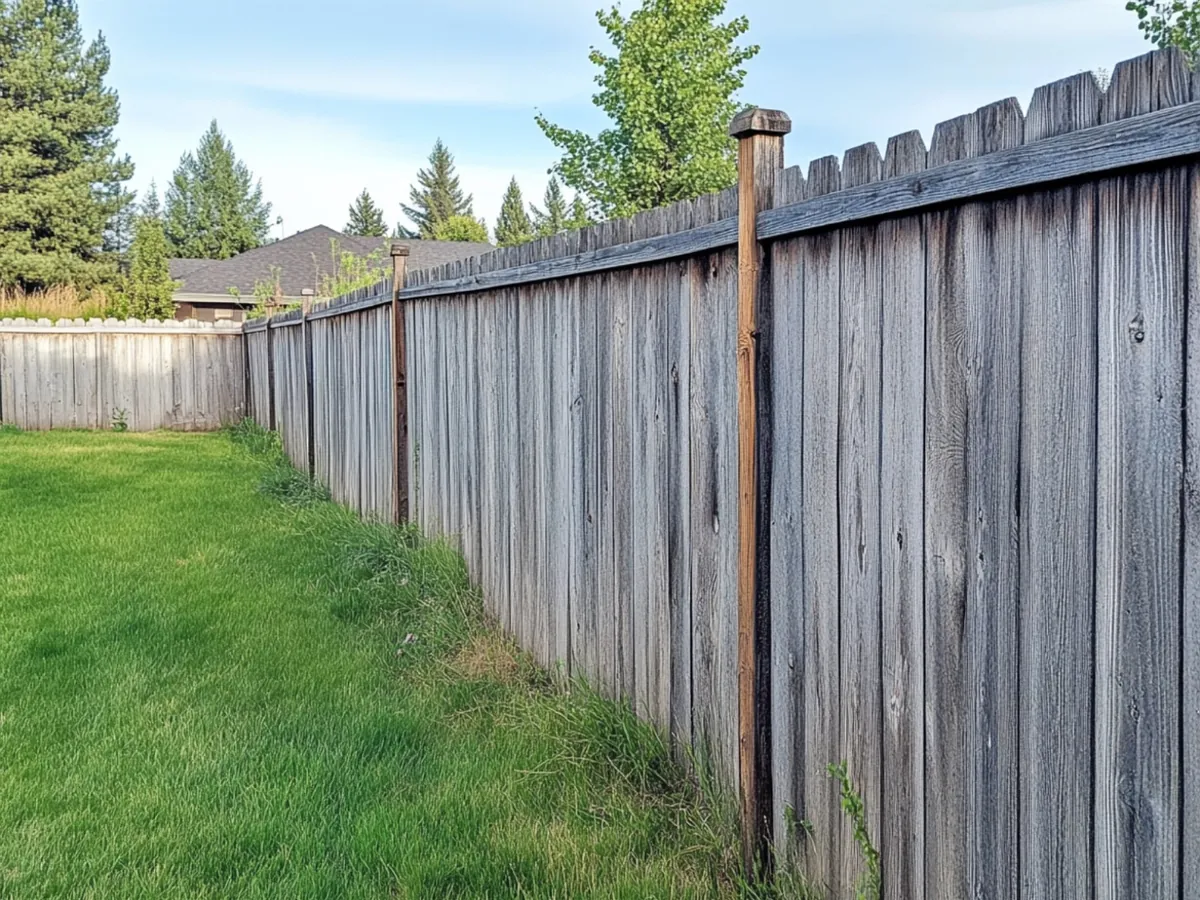
Leaning posts are the most common call by far, especially in spring after the ground thaws. Close behind are broken or missing boards, rails that have cracked or pulled loose from the posts, and gates that sag, drag, or won't latch. After a big windstorm we see whole sections blown down, usually because one or two rotted posts finally gave out and took the panel with them. We also fix gaps under fences where dogs have dug out, replace damaged pickets on front-yard fences, and rehang gates on new hinges and heavier posts. Whatever the problem, we match the new wood to your existing fence as closely as possible so the repair blends in, and we'll let you know if the new boards will need stain to match. Small jobs are welcome. We'll come out for a single post.
Why Fence Posts Fail Here
Most fence trouble comes back to the posts. A wood post rots fastest right at ground level, where it stays damp from snow and sprinklers but still gets air, so the wood just below the dirt line goes soft first. Posts that were set too shallow or without concrete get pushed around by frost heave, when water in the soil freezes and expands. Do that every night for a whole winter and a post slowly works its way out of line. Wind adds sideways force on top of that. When you see several posts leaning the same direction, it usually points to an install problem or a drainage issue, not just bad luck with one post. We check the whole run for that pattern. Fixing the cause means the new post stays straight instead of leaning again next spring.
How a Fence Repair Visit Works
We walk the full length of the fence, not just the section you called about, and push on each post to see which ones are solid and which are going. Then you get a written quote that lists what needs fixing now and what can wait. For a leaning post, we dig out the old one, set a new post in concrete, and reattach the rails so the fence pulls straight again. Broken boards and rails get swapped out with matching material. Gates get new hinges, a stronger post, or a brace to stop the sag. We clean up as we go and haul away the old wood. Most repair jobs take a few hours to a day, depending on how many posts need replacing. If we find something unexpected, we stop and talk to you before doing any extra work.
Repair or Replace
Repair is the right call when the problem is limited: a few bad posts, a damaged section, or a tired gate. It stops making sense when most of the posts are rotting at the base, when the boards are split and gray along the whole fence, or when you're fixing a new section every spring. At that point you're spending money on a fence that's already at the end of its life. If you're looking at replacing most of the posts anyway, a new fence is usually the better deal. We'll give you prices for both so you can compare them side by side, and we won't push you toward the bigger job. Plenty of fences just need a few new posts and a gate adjustment to last for years.
Once the repairs are done, staining the whole fence helps the new boards and old ones age together.