
Fence Staining and Painting in Bend, Oregon
Keep your cedar fence from going gray, cracking, and splitting in the sun.
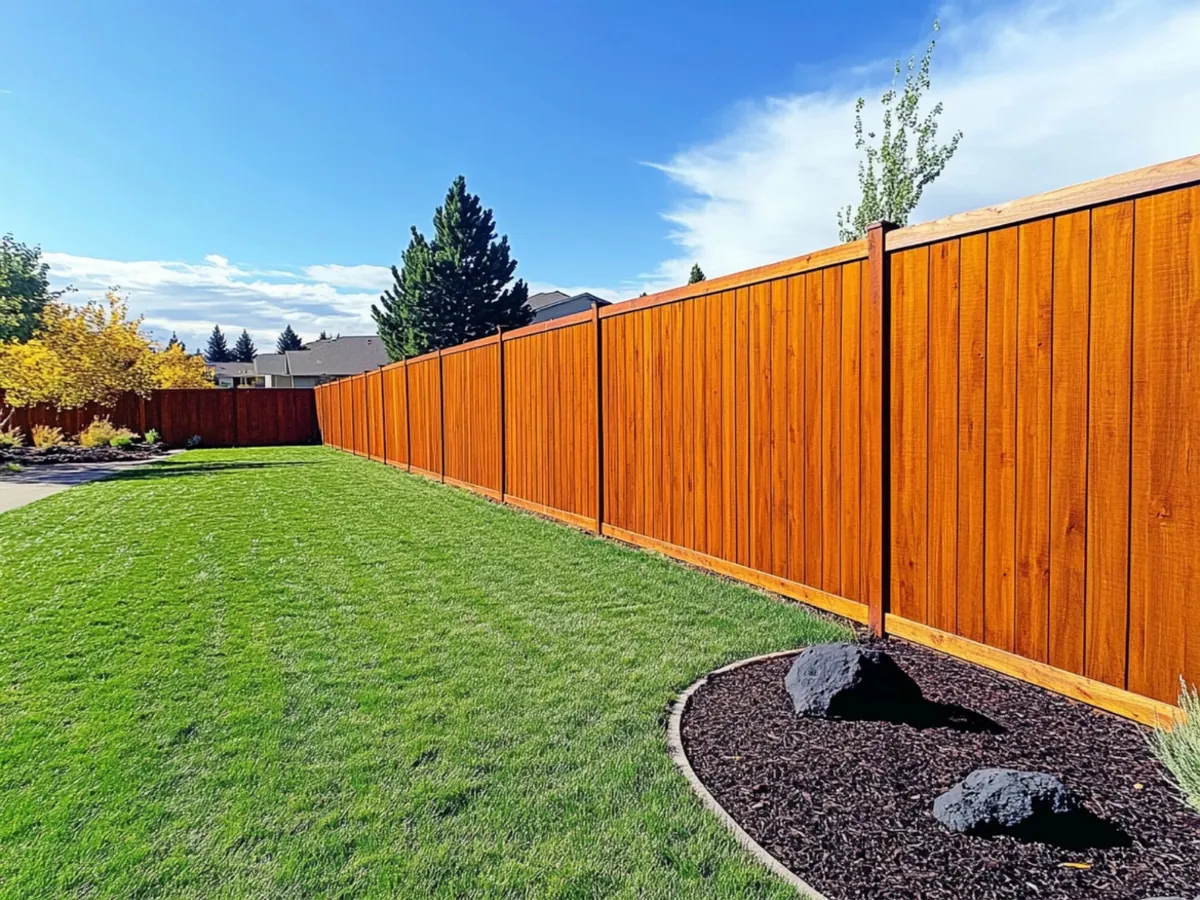
A new cedar fence has a warm, reddish color that most people love. Give it two or three summers in Bend without any protection and it turns silver-gray, the boards start to cup and check, and the bottoms soak up snowmelt every winter. At this elevation the sun and the dry air pull the natural oils out of the wood fast, which is why bare fences here age so much quicker than they do west of the mountains. Stain slows all of that down. It puts back a layer of protection against UV and moisture, and it brings back the color the sun took out. We stain and paint fences all over Bend, and plenty of our work is in Sisters, where long cedar fences line bigger lots, and around Sunriver vacation homes that only get looked at a few times a year.
Below we cover the signs a fence is due, the choice between stain and paint, how we prep and apply it, and how long it lasts. If your deck is fading too, we stain decks as well, and doing both at once usually saves you a second setup fee. Quotes are free, and we'll tell you up front whether your fence needs a simple recoat or more prep work first.
Signs Your Fence Needs Stain
The water test works on fences too. Splash some water on a few boards on the sunny side. If it beads, the finish is still protecting the wood. If it soaks in and darkens, the wood is bare. You'll usually see it before you test it, though. Gray or silver boards, a fuzzy surface, small cracks along the grain, and mildew or dark streaks near the bottom are all signs the stain is long gone. The south and west faces of a fence give out first because they get the hardest afternoon sun, so check those sides before you decide the whole fence is fine. Boards that have started to cup or split can still be stained, but the sooner you catch it, the more of the original fence you get to keep. A fence that's caught early often needs nothing more than a wash and one coat.
Stain or Paint
Both protect the wood, but they work differently. Stain soaks into the boards and leaves the grain visible, and when it wears out it fades instead of peeling. That makes recoating simple: clean, then stain again. A semi-transparent stain is the most popular choice for cedar here because it adds color and UV protection while still looking like wood. Solid stain gives more even color and lasts longer, a good fit for older fences with mismatched boards. Paint gives the most coverage and the widest color choice, but it forms a film on top of the wood, and in Bend's freeze and thaw that film eventually cracks and peels. Repainting means scraping first. For most fences, stain is the easier long-term choice. If your fence is already painted, we can repaint it or talk through switching over.
How We Stain a Fence
Prep matters more than the stain itself. We start by trimming back plants, covering anything nearby, and checking the fence for loose boards or popped nails, which we fix first. Then we clean the wood to strip off the gray layer, dirt, and mildew, and let it dry completely. Stain won't soak into damp wood, so this step can't be rushed. We apply the stain with a sprayer for even coverage and back-brush it by hand so it works into the grain and doesn't run. Both sides get done unless you only want one. A typical backyard fence takes one to three days, and we only stain when the weather is dry and mild enough for the finish to cure properly. We also keep overspray off your house, cars, and the neighbor's side.
How Long a Fence Stain Lasts
Fences hold stain longer than decks because they stand upright. Water runs off instead of sitting on them, and nobody walks on them. Even so, Bend's sun is hard on any finish. Expect a stain to last a bit longer on a fence than the same product would on a deck, with solid stains outlasting semi-transparent ones. The sunny side of the fence will need it before the shady side, and the bottom few inches wear fastest from snow and sprinklers. Staying on schedule keeps every recoat simple: a quick clean and a fresh coat instead of a full restoration. We can tell you exactly where your fence stands and when it'll need the next round. Many clients have us do the fence and deck on the same visit to keep it simple.
If a few boards or posts are past saving, we'll handle the fence repairs before the stain goes on.